
















The UK nuclear sector has reached a significant milestone, marking 70 years of operation. This achievement coincides with record high employment levels in the industry, highlighting its importance in the energy market.
The Evolution of the UK Nuclear Sector
The UK nuclear sector has undergone significant transformations since its inception 70 years ago. Initially focused on energy production, the industry has evolved to include advancements in technology, safety, and sustainability, ensuring its relevance in a rapidly changing energy landscape.
Over the decades, the sector has expanded its workforce, reaching unprecedented employment levels. This growth can be attributed to several key factors:
- Investment in New Projects: The UK government has committed substantial funding to new nuclear projects, creating thousands of jobs in construction, engineering, and maintenance.
- Retrofitting and Upgrades: Existing nuclear facilities require ongoing upgrades and retrofitting to enhance efficiency and safety, offering additional employment opportunities in specialized fields.
- Renewed Focus on Nuclear Energy: As the UK seeks to meet its carbon reduction targets, the nuclear sector is increasingly recognized as a vital component of a sustainable energy mix.
- Skills Development: Training programs and partnerships with educational institutions are fostering a skilled workforce, ensuring that the UK nuclear sector remains competitive and innovative.
As the industry continues to adapt to new challenges, the future looks promising for employment within the UK nuclear sector. With a focus on innovation and sustainability, the sector is poised to play a crucial role in the nation’s energy strategy.
Record Employment in the Energy Market
The UK nuclear sector has reached a significant milestone as employment within the energy market hits a record high. This achievement reflects not only the growth of the nuclear industry but also its essential role in meeting the country’s energy needs.
Recent reports indicate that thousands of jobs have been created in the nuclear sector, driven by an increasing demand for clean energy solutions. Key factors contributing to this growth include:
- Government investment: The UK government has committed substantial funds towards nuclear energy projects, boosting employment opportunities.
- Technological advancements: Innovations in nuclear technology have opened new avenues for skilled labor, leading to a more robust workforce.
- Public awareness: As awareness about climate change rises, more individuals are drawn to careers in the nuclear sector, viewing it as a stable and impactful field.
Moreover, the diverse range of roles available in the nuclear sector makes it an attractive option for job seekers. Positions range from engineers and scientists to administrative and support roles, catering to a variety of skills and interests.
As the UK nuclear sector continues to evolve, the trend of increasing employment is likely to persist. With ongoing projects and future developments, the sector remains poised for growth, ensuring a sustainable energy future for the nation.
Key Milestones in Nuclear History
The history of the UK nuclear sector is marked by significant milestones that have shaped its development and employment landscape. From its inception in the mid-20th century, the nuclear industry has played a crucial role in the nation’s energy strategy and job creation.
In 1956, the UK opened its first commercial nuclear power station, Calder Hall, which was a pivotal moment in establishing nuclear energy as a viable source for electricity generation. This event not only marked the beginning of a new era in energy production but also laid the groundwork for the expansion of the nuclear workforce.
Throughout the decades, several key developments further propelled the UK nuclear sector. The introduction of the Advanced Gas-cooled Reactor (AGR) in the 1960s and the Pressurized Water Reactor (PWR) in the 1990s showcased technological advancements that required skilled labor and contributed to job growth.
In recent years, the commitment to reducing carbon emissions has renewed interest in nuclear power, leading to the construction of new facilities and the modernization of existing plants. This shift has resulted in a surge of employment opportunities within the sector, with a record number of jobs created as the UK aims to meet its energy needs sustainably.
As the UK nuclear sector continues to evolve, it stands at the forefront of energy innovation, ensuring a skilled workforce to support its future endeavors.
Future Prospects for Nuclear Energy Jobs
The future of the UK nuclear sector looks promising, with several factors contributing to a positive outlook for employment opportunities in the coming years. As the country shifts towards low-carbon energy sources, the nuclear industry is poised to play a crucial role in meeting these energy demands.
Government initiatives aimed at reducing carbon emissions are expected to boost investment in nuclear energy. This shift is likely to create a range of job opportunities, not only in traditional roles but also in emerging areas related to technology and innovation. Key areas of growth include:
- Renewable Integration: As the UK increases its reliance on nuclear energy, the integration of renewable sources will require skilled workers to manage both systems.
- Research and Development: Ongoing advancements in nuclear technology, including small modular reactors and fusion energy, will necessitate a workforce adept in cutting-edge science and engineering.
- Decommissioning Projects: As older plants are decommissioned, specialized jobs in nuclear waste management and site restoration will emerge.
Moreover, educational institutions are adapting their curricula to prepare the next generation of professionals for careers in the UK nuclear sector. With a concerted effort from industry leaders and the government, the nuclear job market is positioned for sustained growth, ensuring that the sector remains a vital part of the UK economy.
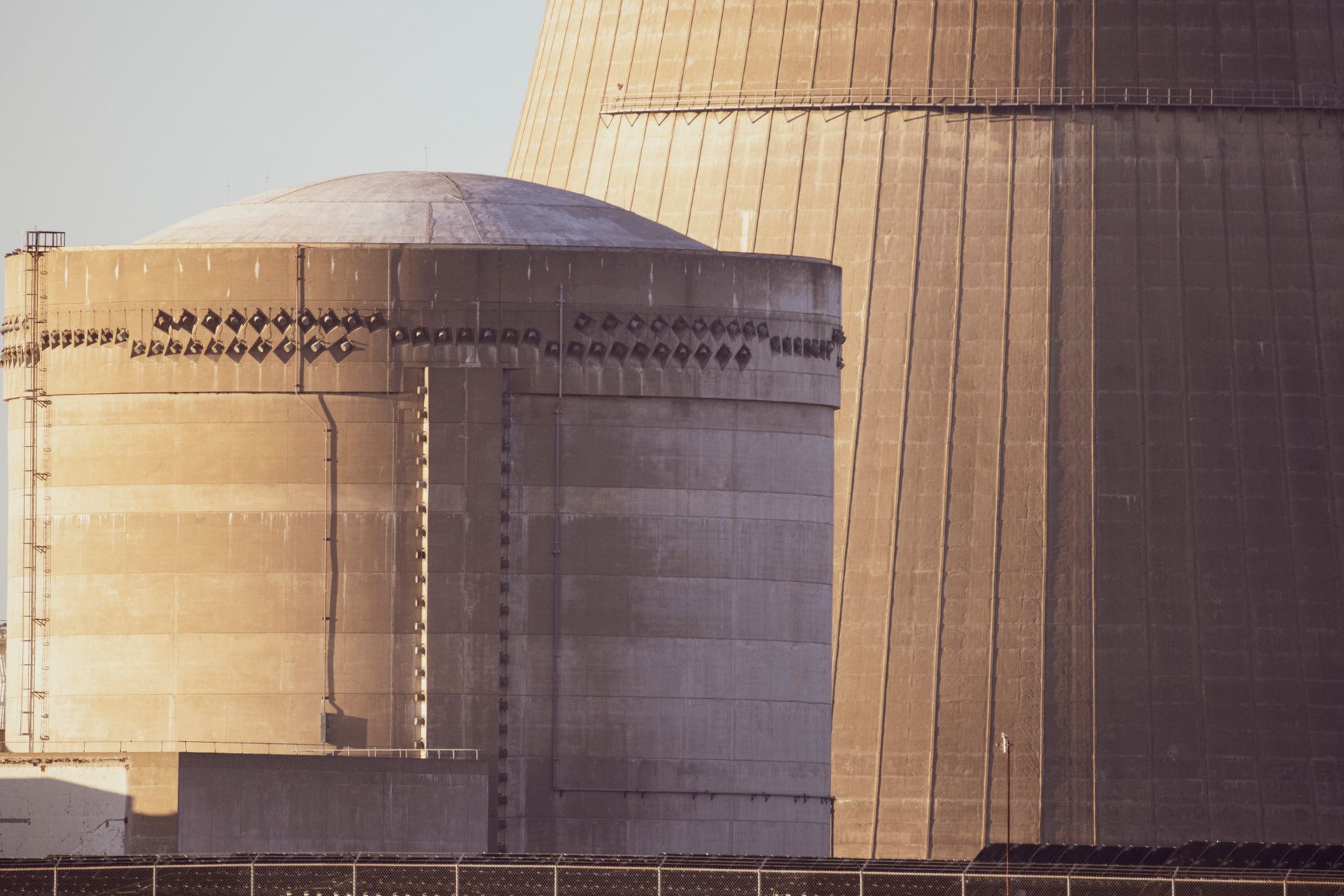
Photo by Sean P. Twomey on Pexels