
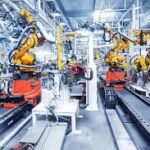









Nvidia chip shipments have been paused, impacting the Southeast Asian market significantly. This decision raises questions about the future of tech development in the region.
What Led to Nvidia’s Decision?
Nvidia’s recent decision to halt chip shipments to Southeast Asia has raised eyebrows among industry analysts and tech enthusiasts alike. Several factors contributed to this significant move, reflecting the complexities of the global semiconductor market.
One major reason for the pause in Nvidia chip shipments is the ongoing shortage of components. As demand for advanced graphics processing units (GPUs) continues to surge, the supply chain has struggled to keep pace. This has led Nvidia to prioritize shipments to regions where they can maximize their market potential and maintain customer satisfaction.
Additionally, geopolitical tensions have played a crucial role. The semiconductor industry is heavily influenced by trade policies and international relations, particularly between the United States and China. Nvidia’s decision may stem from concerns about potential tariffs or restrictions that could impact their operations in Southeast Asia.
Furthermore, local market conditions have also been a factor. Economic uncertainties and fluctuations in demand for technology products in the region have made it difficult for Nvidia to forecast sales accurately. As a result, the company has opted to reassess its strategy before committing further resources to the area.
- Supply chain constraints
- Geopolitical tensions
- Economic fluctuations in Southeast Asia
In light of these challenges, Nvidia’s pause on shipments may be a strategic move to navigate a complex and evolving market landscape.
Impact on Southeast Asian Tech Industry
The recent decision by Nvidia to halt chip shipments to Southeast Asia has sent shockwaves throughout the region’s tech industry. This pause in shipments is particularly concerning for companies that rely heavily on Nvidia’s advanced graphics processing units (GPUs) and artificial intelligence (AI) chips.
Many tech firms in Southeast Asia have built their operations around Nvidia’s technology, leveraging its capabilities for a variety of applications, from gaming to cloud computing. As a result, the impact of this shipment freeze is expected to be significant, with several key areas affected:
- Production Delays: Manufacturers may face delays in production timelines, affecting their ability to meet consumer demand.
- Increased Costs: Companies might need to source alternative chips, leading to higher costs that could be passed on to consumers.
- Job Security: The uncertainty around chip availability may lead to job cuts as firms look to reduce operational costs.
Industry experts warn that the long-term effects of the halt in Nvidia chip shipments could hinder the growth of the Southeast Asian tech ecosystem. As countries in the region strive to position themselves as technology hubs, reliance on Nvidia’s innovations makes this situation particularly dire.
Without access to these critical components, the region risks falling behind in the global tech race, highlighting the intricate relationship between chip availability and economic growth.
Market Reactions to Nvidia’s Pause
In response to Nvidia’s recent announcement to pause chip shipments to Southeast Asia, market reactions have been swift and varied. Investors and industry analysts are closely monitoring the implications of this decision on the broader tech ecosystem in the region.
Many experts believe that this pause could lead to significant disruptions in the supply chain. Local manufacturers who rely heavily on Nvidia chips for their products are expressing concerns about potential delays in production and product launches. One industry insider noted, “Nvidia chip shipments are critical for many of our operations. This pause could hinder our competitiveness.”
Investor sentiment has also shifted, with shares of companies heavily invested in semiconductor technology experiencing notable fluctuations. Tech stocks in Southeast Asia, particularly those linked to graphics processing and artificial intelligence, have been hit hard, reflecting fears of reduced growth prospects.
On the other hand, some market analysts suggest that this could be an opportunity for local chip manufacturers to fill the gap left by Nvidia. They argue that, while the short-term effects may be negative, this situation could eventually lead to greater self-sufficiency in the tech sector.
As the situation unfolds, stakeholders are urging Nvidia to provide more clarity on the timeline for resuming chip shipments, as uncertainty continues to loom over the region’s tech landscape.
Future of Chip Supply in Southeast Asia
The future of chip supply in Southeast Asia remains uncertain following Nvidia’s recent decision to pause its shipments to the region. Analysts suggest that this move could have significant implications for local manufacturers and the broader tech ecosystem.
With the global demand for chips continuing to rise, Southeast Asia has been positioning itself as a crucial hub for semiconductor production. However, Nvidia chip shipments being stalled may disrupt the supply chain, impacting various sectors that rely on these components for their operations.
Several industry experts have raised concerns about the potential long-term effects of this pause. They argue that local companies may struggle to meet production deadlines and fulfill orders, which could hinder the growth of emerging technology markets in countries like Vietnam, Malaysia, and Thailand.
As companies adapt to the changing landscape, some are exploring alternative suppliers or investing in local chip production capabilities. However, establishing a robust supply chain takes time and resources, which may not be readily available.
- Challenges ahead: Companies may face delays in product launches and increased costs.
- Opportunities for growth: The situation might spur investment in local semiconductor industries.
- Collaboration potential: Regional partnerships could emerge to mitigate supply chain disruptions.
In conclusion, while the pause on Nvidia chip shipments presents challenges, it also opens the door for innovation and strategic planning in Southeast Asia’s technology sector.
Comparing Nvidia with Other Chip Manufacturers
As Nvidia chip shipments face scrutiny, it is essential to compare the company’s performance with that of other prominent chip manufacturers in the industry. Companies like Intel, AMD, and TSMC have managed to maintain a steadier flow of products, largely due to their diversified supply chains and established relationships with Southeast Asian manufacturers.
One significant factor contributing to Nvidia’s challenges is its reliance on specific markets for production and distribution. In contrast, competitors have adapted more rapidly to fluctuations in demand and supply chain disruptions. For example:
- Intel has expanded its manufacturing facilities in Southeast Asia, allowing for increased output and reduced lead times for customers.
- AMD has focused on partnerships with local suppliers, ensuring a smoother distribution process and minimizing the impact of geopolitical tensions.
- TSMC continues to lead in technological advancements, attracting clients looking for efficient production capabilities.
Furthermore, while Nvidia’s chip shipments have faced delays, other manufacturers have capitalized on this opportunity, securing contracts and expanding their market shares. This shift in dynamics raises questions about Nvidia’s long-term strategy in Southeast Asia and whether the company can regain its competitive edge in a region that is becoming increasingly vital for the global tech ecosystem.
Potential Alternatives for Southeast Asia
As the landscape of chip manufacturing evolves, Southeast Asia is exploring potential alternatives to Nvidia chip shipments to mitigate the impacts of their recent pause. This shift may open opportunities for other semiconductor companies that can fill the gap left by Nvidia.
Industry experts suggest several potential alternatives:
- AMD (Advanced Micro Devices): Known for its high-performance chips, AMD is increasingly becoming a viable option for tech companies in Southeast Asia, as they seek to diversify their supply chains.
- Qualcomm: With its strong presence in mobile and IoT devices, Qualcomm could provide innovative solutions for companies looking to transition away from Nvidia’s offerings.
- Intel: As one of the largest chip manufacturers globally, Intel has the capacity to adapt its production to meet the demands of Southeast Asian markets, particularly in data centers and computing technology.
- Local Startups: Southeast Asia has a burgeoning tech ecosystem, and local startups are beginning to develop their own chip technologies, which could reduce reliance on foreign manufacturers.
While Nvidia chip shipments have played a significant role in the region’s tech growth, these potential alternatives may offer new pathways for innovation and resilience in Southeast Asia’s semiconductor landscape. Companies will need to assess the feasibility and performance of these alternatives as they navigate the current market uncertainties.
Expert Opinions on the Situation
Experts are weighing in on the implications of Nvidia’s decision to pause chip shipments to Southeast Asia. Many analysts believe that this move could have far-reaching consequences for the region’s technology landscape. Dr. Mei Wong, a technology analyst at a leading market research firm, stated, “Nvidia chip shipments have been a lifeline for many Southeast Asian manufacturers. This pause could disrupt production schedules and delay the rollout of new products.”
Another expert, Professor Ravi Kumar from the University of Technology, emphasized the broader economic impact. “Southeast Asia has become a critical hub for tech assembly and development. The halt in shipments could lead to job losses and stunted growth for nascent tech startups relying on Nvidia technology.”
However, not all opinions are pessimistic. Linda Choi, a supply chain consultant, suggested that this situation could spur local innovation. “This might motivate Southeast Asian companies to explore alternative suppliers or even invest in domestic chip production,” she said. “While the immediate effects will be challenging, it could ultimately lead to a more resilient tech ecosystem.”
Overall, while the pause in Nvidia chip shipments is concerning, experts agree that it is also a pivotal moment for Southeast Asia to reassess its reliance on foreign tech companies and explore new avenues for growth.
What This Means for Consumers
The recent pause on Nvidia chip shipments has raised significant concerns for consumers in Southeast Asia. As demand for advanced technology continues to rise, the impact of this halt could be felt across various sectors, from gaming to artificial intelligence.
For consumers, the implications are multi-faceted:
- Increased prices: With fewer Nvidia chips available, retailers may raise prices on existing stock, making high-performance gaming and computing devices less accessible.
- Limited availability: Popular products that rely on Nvidia chips, such as graphics cards and gaming laptops, could become harder to find, causing frustration among tech enthusiasts.
- Delays in product launches: Companies planning to release new devices featuring Nvidia technology may need to postpone their launches, leading to a stagnant market and fewer options for consumers.
- Shift to alternatives: As Nvidia chip shipments dwindle, consumers may turn to competing brands, which could alter market dynamics and influence future purchasing decisions.
Moreover, the uncertainty surrounding the chip supply chain may lead to a decrease in consumer confidence, pushing potential buyers to delay purchases in anticipation of better options. Overall, the implications of Nvidia’s pause on chip shipments extend beyond manufacturers, significantly impacting consumers across the region.
The recent decline in demand has raised concerns about Nvidia chip shipments in the region. Analysts suggest that these Nvidia chip shipments may significantly impact the local tech industry in Southeast Asia.