

















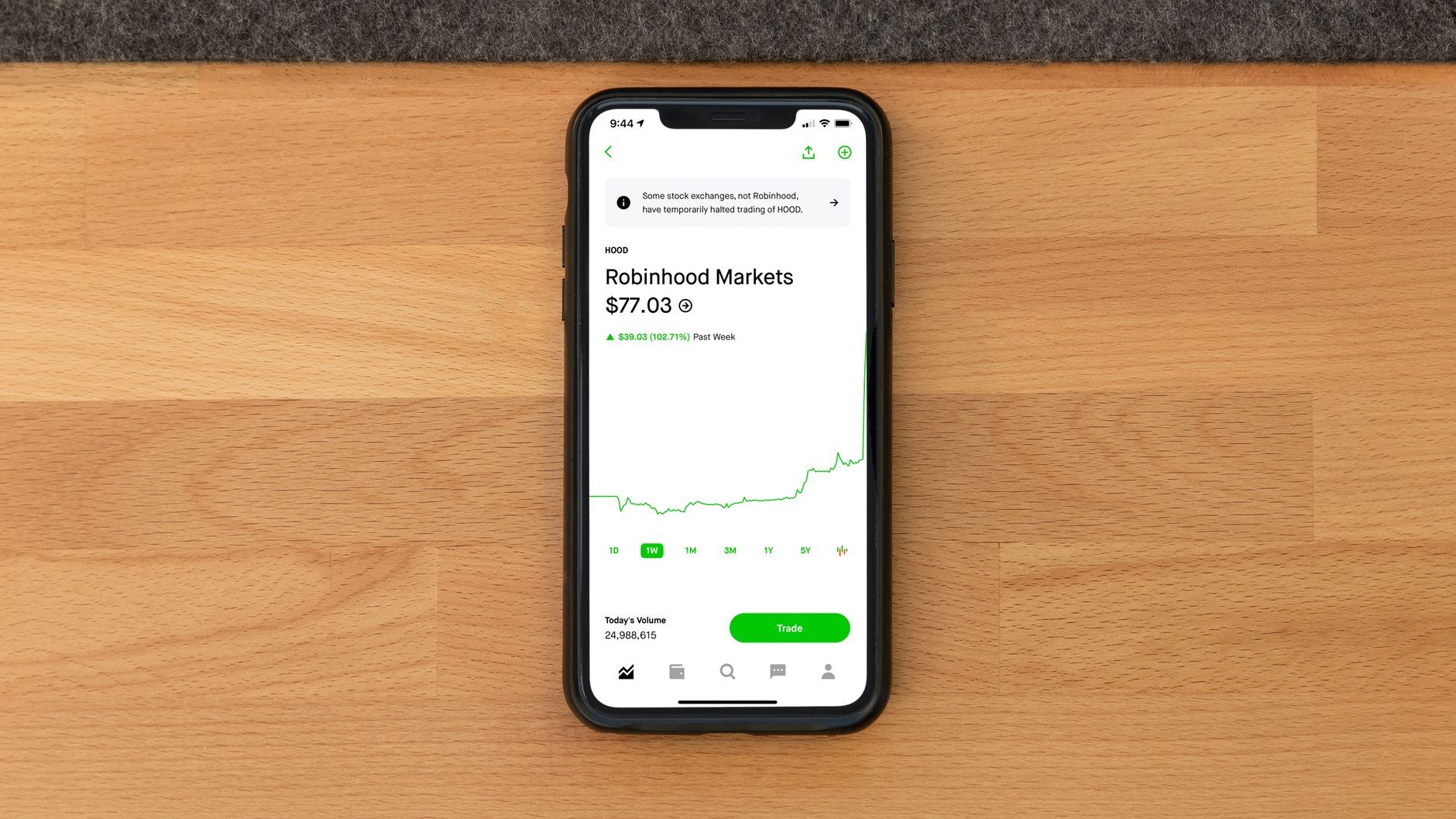
Robinhood margin borrowing has surged to unprecedented levels, prompting discussions about the potential risks it poses to the stock market. As retail investors increasingly leverage their positions, the implications for market stability grow.
Understanding Margin Borrowing
Margin borrowing allows investors to borrow money from a brokerage to purchase securities, amplifying potential gains but also increasing risks. Robinhood margin borrowing has gained popularity, especially among retail investors looking to maximize their trading power. However, it comes with significant implications that can lead to substantial financial consequences.
When investors use margin, they must maintain a minimum balance, known as a margin requirement. If the value of their investments falls, they may face a margin call, requiring them to deposit more funds or sell off assets to cover the loan. This creates a precarious situation, particularly in volatile markets.
Furthermore, the ease of accessing margin loans through platforms like Robinhood can encourage reckless trading behavior. As the platforms promote quick and straightforward transactions, investors may underestimate the potential dangers associated with leveraging their investments.
- Increased Risk: Margin borrowing magnifies both gains and losses.
- Market Volatility: A declining market can trigger margin calls.
- Investor Behavior: Easy access may lead to overconfidence in trading decisions.
The Rise of Retail Leverage
The recent surge in Robinhood margin borrowing has raised eyebrows among analysts and investors alike. As retail investors flock to the platform, many are taking advantage of margin accounts to amplify their buying power. This trend has contributed significantly to the volatility of the stock market.
Historically, retail investors were often sidelined during market fluctuations, but now they are wielding unprecedented leverage. The ease of access to margin accounts on platforms like Robinhood has democratized trading, allowing more individuals to participate in the market. However, this increased participation comes with risks.
Experts warn that as more retail investors engage in margin borrowing, the potential for dramatic market corrections rises. The impact of margin calls can lead to forced selling, exacerbating downturns and increasing overall market risk. As the stock market continues to fluctuate, the implications of Robinhood margin borrowing could become a critical point of concern for the investing community.
- Increased risk of volatility
- Potential for margin calls
- Democratization of trading
Market Risks Associated with High Borrowing
The increasing prevalence of Robinhood margin borrowing has raised concerns among analysts regarding market stability. As more retail investors utilize margin accounts to amplify their buying power, several risks emerge that could jeopardize individual and broader market performance.
One significant risk is heightened volatility. As investors engage in margin trading, even minor fluctuations in stock prices can lead to substantial losses, prompting margin calls that force investors to sell holdings at inopportune times. This cycle can exacerbate market downturns, making recovery more challenging.
Additionally, the potential for over-leverage poses a threat. Many inexperienced investors may not fully understand the implications of borrowing funds to invest, which could lead to catastrophic financial consequences if market conditions shift abruptly.
Moreover, the concentration of margin debt within platforms like Robinhood can create systemic risks. If a large number of investors are caught in a sell-off, it could trigger a domino effect, amplifying losses across the market.
Understanding these risks is crucial as retail leverage continues to influence market dynamics.
What Investors Should Know
Investors considering Robinhood margin borrowing should be aware of several critical factors before diving into leveraged trading. First, while margin accounts can amplify gains, they also significantly increase the potential for substantial losses. Understanding how margin works is essential, as failing to maintain the required equity can lead to a margin call, forcing investors to sell assets at unfavorable prices.
Furthermore, the volatility of the stock market can exacerbate risks associated with high borrowing. Many retail investors may underestimate the impact of market fluctuations on their leveraged positions. It’s crucial to have a solid risk management strategy in place, including setting stop-loss orders and diversifying portfolios.
Additionally, investors should consider their own financial situation and risk tolerance before engaging in margin borrowing. Seeking advice from financial advisors or conducting thorough research can help mitigate the dangers of borrowing on margin. Ultimately, while Robinhood margin borrowing may offer opportunities for profit, the risks involved require careful consideration and planning.
Expert Opinions on Margin Trading
Experts have raised significant concerns regarding the implications of Robinhood margin borrowing for retail investors. Many analysts warn that while margin trading can amplify gains, it also heightens the potential for substantial losses. “The accessibility of margin accounts on platforms like Robinhood has transformed the way retail investors operate,” noted financial analyst Sarah Thompson. “However, this ease of access can lead to reckless behavior, especially among inexperienced traders.”
Furthermore, some experts emphasize the psychological factors at play.
- Overconfidence: Many investors believe they can easily manage the risks associated with margin trading, which can lead to poor decision-making.
- Market Volatility: The current market dynamics, influenced by high borrowing levels, may create a volatile environment that could catch investors off guard.
- Long-Term Impact: Analysts suggest that unchecked margin borrowing could harm the overall market stability, potentially leading to broader economic consequences.
Investors are urged to approach margin trading with caution and to fully understand the implications of their financial decisions.
Potential Consequences for the Stock Market
The increasing prevalence of Robinhood margin borrowing raises significant concerns about potential consequences for the stock market. As retail investors leverage their positions, the market may experience heightened volatility. This increased risk can lead to unpredictable price swings, affecting not only individual investments but also broader market stability.
One major concern is the possibility of a market correction. If many investors suddenly decide to sell their leveraged positions to cover margin calls, it could trigger a rapid decline in stock prices. This phenomenon could create a cascading effect, where falling prices lead to more margin calls and further selling, compounding the downturn.
Additionally, high levels of margin borrowing can lead to a mispricing of risk. Investors may become overly confident, assuming that rising prices will continue indefinitely. This mindset can distort market valuations and encourage irrational investment behavior, ultimately putting both retail and institutional investors at risk.
Overall, the implications of increased leverage through platforms like Robinhood could pose a significant threat to the stability of the stock market.
Future Trends in Retail Investing
The landscape of retail investing continues to evolve, with Robinhood margin borrowing becoming a significant talking point among investors and analysts alike. As more individuals engage in trading, the trend toward leveraging investments is expected to grow, raising questions about the sustainability of this approach.
One potential future trend is the increasing accessibility of margin trading platforms, allowing even novice investors to participate. This could lead to a surge in trading volumes, but it also raises concerns about the overall market’s stability. With more investors relying on borrowed funds, the risk of market volatility may intensify, especially during economic downturns.
Moreover, regulatory scrutiny may increase as authorities seek to mitigate potential risks associated with high levels of margin borrowing. Investors might soon see new guidelines aimed at promoting responsible trading practices and ensuring that individuals understand the risks involved.
Ultimately, as retail investing continues to grow, the implications of margin borrowing will remain a critical area for both investors and regulators to monitor closely.
Many experts argue that Robinhood margin borrowing can lead to significant financial losses for inexperienced investors. Understanding the risks associated with Robinhood margin borrowing is essential before making any investment decisions.
Photo by Andrew Neel on Pexels