

















patient access solutions are increasingly important in today’s healthcare landscape. Understanding how payer rules shape these solutions can lead to improved patient experiences and outcomes.
Understanding Patient Access Solutions
Patient access solutions are essential tools that healthcare organizations use to improve the experience of patients seeking care. These solutions streamline processes, ensuring that patients can easily access the services they need without unnecessary delays.
Understanding the core components of patient access solutions is crucial for healthcare providers aiming to enhance patient satisfaction and operational efficiency. Key elements include:
- Eligibility Verification: Quickly verifying patient insurance coverage to reduce the risk of billing issues.
- Appointment Scheduling: Implementing user-friendly systems that allow patients to book appointments effortlessly.
- Financial Counseling: Providing guidance on costs and payment options to alleviate patient concerns regarding expenses.
- Patient Communication: Utilizing automated reminders and follow-ups to keep patients informed and engaged.
By focusing on these strategies, healthcare organizations can create effective patient access solutions that ultimately lead to improved care delivery and patient outcomes.
The Role of Payer Rules
Payer rules play a crucial role in shaping patient access solutions by establishing the framework within which healthcare providers operate. These rules dictate the reimbursement processes, coverage policies, and eligibility criteria that directly impact patient access to necessary treatments. As healthcare systems evolve, understanding these payer regulations becomes essential for optimizing patient access solutions.
Key aspects of how payer rules influence patient access include:
- Reimbursement Levels: The amount reimbursed for services can deter or encourage providers to offer specific treatments.
- Prior Authorization Requirements: These can delay access to care, impacting patient outcomes and satisfaction.
- Network Limitations: Insurers often limit the providers patients can see, creating barriers to care.
By navigating these complexities, healthcare organizations can enhance their patient access solutions, ensuring that patients receive timely and effective care despite the challenges posed by payer rules.
Improving Patient Experience
Improving patient experience is a crucial aspect of implementing effective patient access solutions. By enhancing the way patients interact with healthcare systems, organizations can significantly increase satisfaction and engagement. Here are some proven strategies to improve the patient experience:
- Streamline Appointment Scheduling: Utilize digital tools that allow patients to book, modify, and cancel appointments easily, reducing wait times and frustration.
- Enhance Communication: Implement patient portals that facilitate direct communication with healthcare providers, ensuring that patients are well-informed and feel supported.
- Provide Financial Transparency: Clearly communicate costs and payment options upfront to alleviate financial concerns and build trust.
- Offer Diverse Payment Options: Accept various payment methods and provide flexible financing plans to accommodate different patient needs.
- Gather Patient Feedback: Regularly solicit feedback from patients to identify areas for improvement and adapt services accordingly.
By focusing on these strategies, healthcare providers can create more efficient and satisfying experiences for their patients.
Key Strategies for Success
Implementing effective patient access solutions requires a multifaceted approach. Key strategies for success include:
- Streamlining the Registration Process: Simplifying registration can significantly reduce wait times and improve patient satisfaction.
- Enhancing Communication: Clear communication regarding insurance coverage and costs can alleviate patient concerns and foster trust.
- Utilizing Technology: Embracing digital tools, such as patient portals and telehealth options, can enhance accessibility and convenience.
- Staff Training: Investing in staff training ensures that team members are well-equipped to navigate payer rules and assist patients effectively.
- Continuous Feedback: Regularly soliciting feedback from patients helps identify areas for improvement and adapt patient access solutions accordingly.
By focusing on these strategies, healthcare providers can enhance patient access and create a more positive experience for those seeking care.
Challenges in Patient Access
Despite the benefits of patient access solutions, healthcare providers face several challenges that can impede their effectiveness. One significant challenge is the complexity of insurance verification processes. Patients often encounter difficulties understanding their coverage, leading to confusion and delays in accessing care.
Furthermore, varying payer rules can create inconsistencies in the way services are billed and reimbursed. This can lead to frustration for both healthcare providers and patients, as unexpected costs may arise. Additionally, inadequate training for staff on the latest patient access technologies can inhibit their ability to assist patients effectively.
Another hurdle is the integration of patient access solutions with existing healthcare systems. If these solutions are not seamlessly incorporated, they may disrupt workflows and reduce overall efficiency. To overcome these challenges, healthcare organizations must prioritize education, invest in user-friendly technology, and continuously adapt to changing payer regulations.
- Complex insurance verification processes
- Inconsistencies due to varying payer rules
- Inadequate staff training
- Poor integration with existing systems
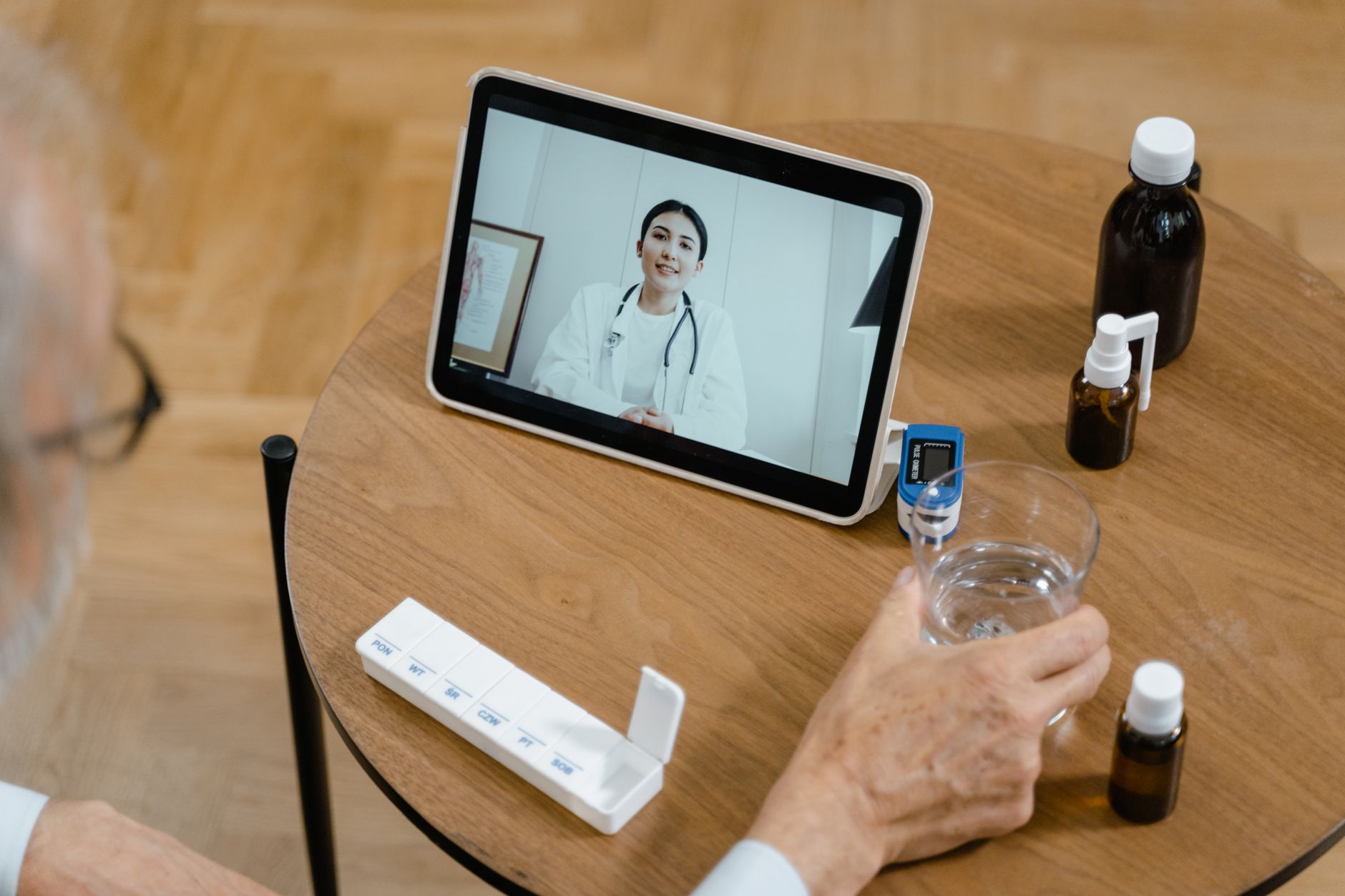
Photo by Tima Miroshnichenko on Pexels