

















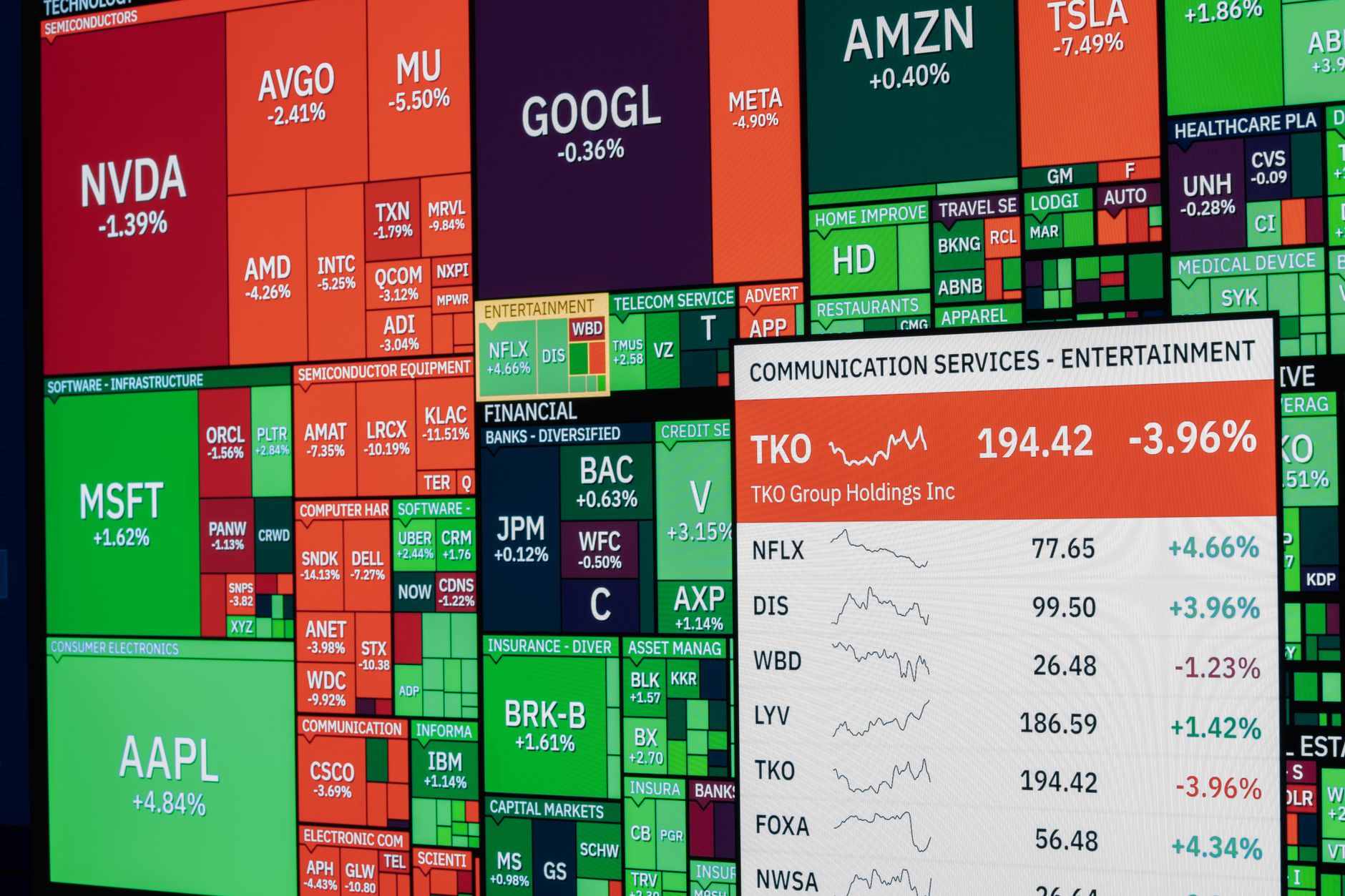
Interactive Brokers Q3 earnings are just around the corner, and investors are eager to understand the key metrics that Wall Street is projecting. This article delves into the expectations for IBKR’s performance.
Overview of Interactive Brokers
Interactive Brokers has established itself as a leading player in the brokerage industry, known for its commitment to providing advanced trading tools and low-cost services. As investors prepare for the upcoming Interactive Brokers Q3 earnings report, analysts are keen to assess the firm’s financial health and market strategy. The company has consistently focused on expanding its international reach and enhancing its trading platform, which has attracted a diverse client base, from retail investors to institutional clients.
In the third quarter, market conditions have posed both challenges and opportunities for Interactive Brokers. With fluctuating interest rates and geopolitical uncertainties, the firm’s ability to adapt its strategies will be crucial. Analysts expect to see insights into key performance metrics, including:
- Revenue growth: Anticipated increases in commission income and interest revenue.
- User growth: Changes in the number of active accounts and customer engagement.
- Cost management: Efficiency improvements amid rising operational costs.
As the date of the earnings release approaches, market participants are eagerly awaiting clarity on these metrics to gauge the firm’s trajectory and potential future performance.
What to Expect in Q3 Earnings
As investors gear up for the upcoming Interactive Brokers Q3 earnings report, expectations are high for a detailed breakdown of the company’s performance. Analysts predict several key metrics will provide insights into the brokerage’s growth trajectory.
In the lead-up to the announcement, market analysts have outlined several areas to watch:
- Revenue Growth: Analysts expect revenue to show a steady increase compared to previous quarters, driven by higher trading volumes and increased client activity.
- Net Income: Projections suggest a potential rise in net income, reflecting effective cost management and operational efficiencies.
- Client Base Expansion: The number of active clients is anticipated to grow, indicating Interactive Brokers’ successful outreach and competitive positioning in the market.
- Trading Metrics: Key trading metrics, including average daily trades, are expected to reflect strong demand among retail and institutional investors.
Overall, the Interactive Brokers Q3 earnings report is poised to offer clear insights and projections that will be closely monitored by both analysts and investors alike. The outcome will likely shape expectations for the rest of the fiscal year.
Key Metrics to Watch
As investors prepare for the upcoming release of Interactive Brokers Q3 earnings, several key metrics are anticipated to provide insights into the company’s performance. Analysts are particularly focused on the following indicators:
- Earnings Per Share (EPS): A crucial figure, EPS is expected to reflect the profitability of Interactive Brokers over the quarter. Predictions suggest a moderate increase compared to previous quarters, signaling a positive trend.
- Net Revenue: This metric will give a clear picture of the company’s overall financial health. Analysts estimate that net revenue will be driven by increased trading volumes and commission fees.
- Customer Accounts: The number of active customer accounts is another metric to watch. A rise in accounts may indicate growing market confidence and expanding client engagement.
- Asset Management Fees: Given the increasing popularity of asset management services, trends in this area could significantly impact the bottom line.
Understanding these metrics is essential for investors looking to gauge how well Interactive Brokers is navigating the current market landscape. With a solid performance in these areas, the company could set a positive tone for future growth.
Analyst Predictions for IBKR
Analysts are keenly observing Interactive Brokers’ Q3 earnings as they anticipate a mix of challenges and opportunities for the brokerage firm. With a growing interest in retail trading and a competitive market landscape, predictions vary widely among experts.
Many analysts expect a slight increase in revenue, driven by higher trading volumes and expanded client acquisition efforts. In contrast, some forecasts suggest that rising interest rates may pose challenges to profit margins, prompting a cautious outlook.
- Revenue Growth: Analysts project revenue growth to be around 5-8%, primarily fueled by increased trading activity.
- Net Income: Predictions for net income vary, with estimates ranging from $400 million to $450 million, reflecting potential fluctuations in client engagement.
- Cost Management: Analysts are watching closely how Interactive Brokers manages costs, especially in technology and customer support, which are critical to maintaining competitive advantages.
As Interactive Brokers prepares to release its Q3 earnings, the consensus among analysts highlights the importance of adapting to market changes. Investors will be eager to see if the company meets or exceeds these expectations, particularly in a time of evolving trading dynamics.
Impact on Stock Performance
The recent Q3 earnings report from Interactive Brokers has generated significant attention among investors, particularly regarding its impact on stock performance. Following the release, analysts have closely monitored the stock’s reaction in the market, which has historically shown sensitivity to quarterly earnings results.
As expectations were set high prior to the earnings announcement, the actual figures revealed a mixed performance. The company’s earnings per share (EPS) surpassed some estimates, while revenue fell short of others, leading to a varied response from investors. Despite the challenges, many analysts remain optimistic about the long-term growth potential of Interactive Brokers.
Key factors influencing stock performance include:
- Market Sentiment: Investor reactions can be unpredictable, often driven by broader market trends.
- Trading Volume: A noticeable increase in trading volume post-earnings can indicate strong investor interest.
- Comparative Analysis: How IBKR’s performance stacks up against competitors can also play a crucial role.
In summary, while the immediate impact of Interactive Brokers Q3 earnings may vary, the underlying fundamentals and strategic direction of the company continue to attract attention from both analysts and investors alike.
Comparative Analysis with Competitors
The upcoming Interactive Brokers Q3 earnings report will not only provide insights into the firm’s performance but also allow for a comparative analysis with competitors in the brokerage industry. Understanding how Interactive Brokers stands against its peers can shed light on its market positioning and growth potential.
Key competitors include firms like Charles Schwab, TD Ameritrade, and E*TRADE, which have also been navigating a challenging economic landscape. Each of these companies has been focusing on enhancing their digital platforms and expanding their service offerings to attract more clients. A comparison of their Q3 earnings will reveal:
- Revenue growth: How Interactive Brokers’ revenue stacks up against competitors.
- Client acquisition: The number of new accounts added in the quarter.
- Trading volumes: Insights into market activity and investor engagement.
- Cost management: Efficiency in operations and impact on profit margins.
In the context of rising interest rates and increased market volatility, understanding these dynamics is crucial. Analysts anticipate that the results from Interactive Brokers will reflect both challenges and opportunities that the entire sector is currently facing.
Conclusion and Future Outlook
In conclusion, Interactive Brokers’ Q3 earnings report is poised to deliver critical insights into the firm’s financial performance and future trajectory. As analysts have indicated, there are several key metrics that will be closely scrutinized, including revenue growth, client activity, and trading volumes. These indicators will not only reflect the company’s operational efficiency but also its competitive positioning in the dynamic brokerage landscape.
Looking ahead, the outlook for Interactive Brokers remains cautiously optimistic. The increased volatility in financial markets has the potential to drive higher trading volumes, benefiting the firm’s revenue streams. Furthermore, the ongoing expansion of its international presence and enhancements to its trading platform may attract a broader client base.
However, potential challenges such as regulatory changes and economic uncertainties could impact overall performance. Investors should remain vigilant, monitoring how these factors play out in the upcoming quarters. With the performance of Interactive Brokers’ Q3 earnings serving as a barometer for future growth, stakeholders will be eager to assess how well the company navigates these complexities.
As Interactive Brokers continues to evolve, its ability to adapt and innovate will be crucial in maintaining its competitive edge in the financial services industry.
Interactive Brokers Q3 earnings revealed strong performance metrics that exceeded analyst expectations. As a result, the company is optimistic about its growth trajectory moving into the next quarter.
Photo by Rafael Minguet Delgado on Pexels
Read the original
Crypto Price Predictions: What’s the Best Today? · Sensex Nifty market gains: What’s the proven impact of crude prices? · AMN Q2 2026 Earnings: Best Proven Performance Boosts Shares