

















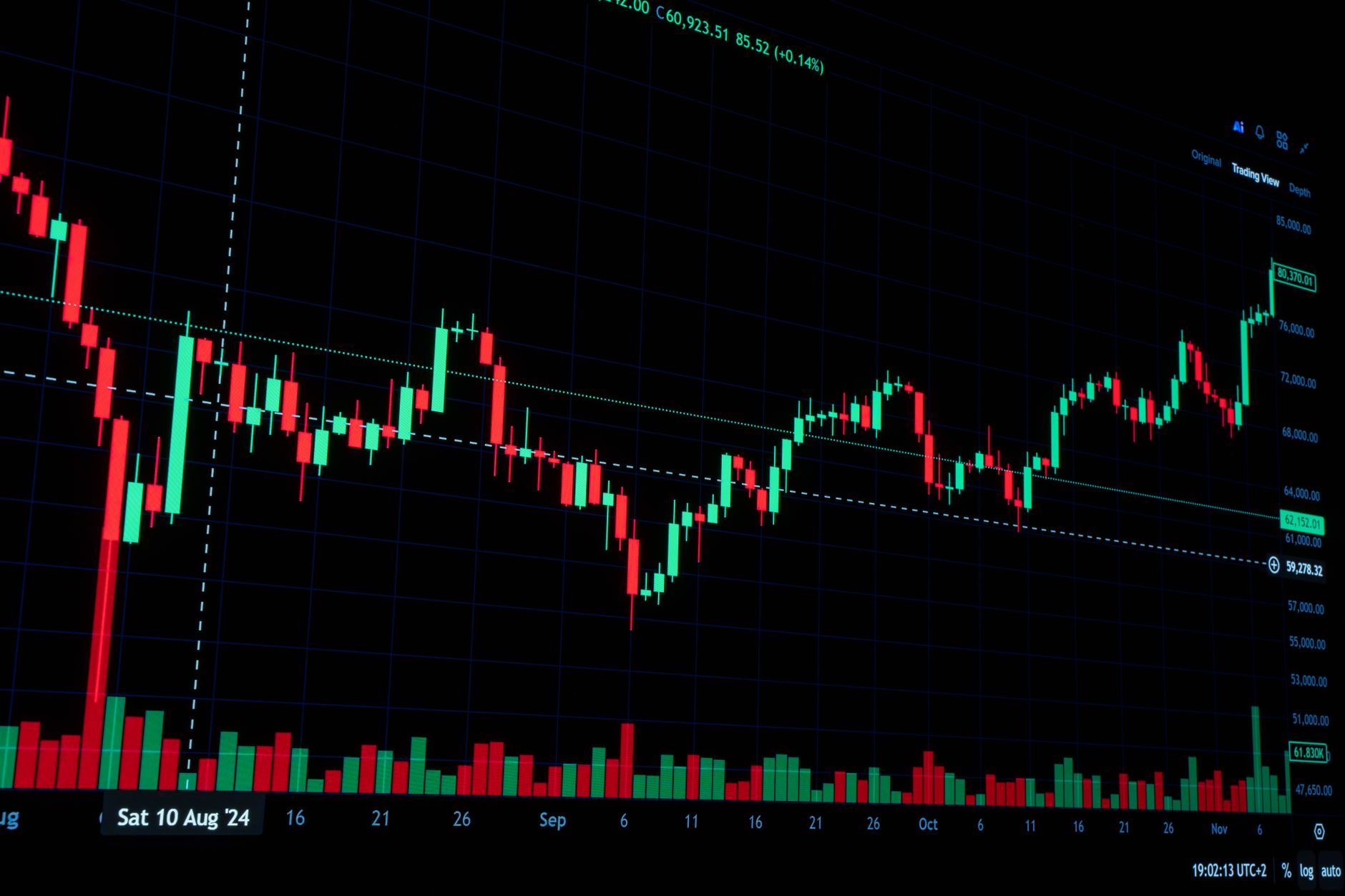
RBI forex derivatives are in the spotlight as the Reserve Bank of India moves to support the rupee at 96.78. This action highlights the central bank’s commitment to stabilizing the currency.
Understanding RBI’s Role in Forex Derivatives
The Reserve Bank of India (RBI) plays a crucial role in the management of the Indian rupee, particularly through its engagement with forex derivatives. These financial instruments allow market participants to hedge against fluctuations in currency exchange rates, thus providing a level of stability to the forex market.
In recent developments, the RBI has taken significant steps to support the rupee, notably by cracking down on excessive speculation in forex derivatives. This move is aimed at curbing volatility and ensuring that the currency remains stable against global pressures.
Forex derivatives are not only essential for protecting against currency risks but also serve as a tool for price discovery in the foreign exchange market. By regulating these instruments, the RBI seeks to enhance transparency and promote orderly conditions in the forex market.
Key aspects of the RBI’s approach include:
- Implementing stricter guidelines for trading in forex derivatives.
- Encouraging market participants to use these derivatives responsibly.
- Monitoring the overall impact on the rupee’s value and market sentiment.
Through these measures, the RBI aims to foster a more resilient economic environment while safeguarding the interests of both investors and the broader economy.
Impact of Forex Derivatives on the Rupee
The recent implementation of RBI forex derivatives has sparked significant discussions on its impact on the Indian rupee. As the Reserve Bank of India (RBI) actively engages in the forex derivatives market, several potential advantages and challenges arise.
One major effect of these derivatives is their ability to enhance liquidity in the foreign exchange market. By allowing market participants to hedge against currency fluctuations, RBI forex derivatives provide a safety net for businesses and investors. This can lead to a more stable exchange rate, contributing to the overall health of the rupee.
Moreover, the introduction of these derivatives helps mitigate speculative activities that may lead to undue volatility. With a structured approach to forex derivatives, the RBI aims to curb excessive currency speculation, thereby reinforcing investor confidence in the rupee.
However, there are concerns regarding the complexity of these instruments. Market participants must navigate the intricacies of forex derivatives, and a lack of understanding may lead to potential risks. Additionally, the effectiveness of these measures will depend on market reception and global economic conditions.
In conclusion, while RBI forex derivatives present a smart strategy to support the rupee, their true impact will unfold as stakeholders adapt to this evolving landscape.
Why RBI is Cracking Down on Forex Derivatives
The Reserve Bank of India (RBI) has initiated a series of measures aimed at regulating forex derivatives, a move that reflects its commitment to stabilizing the Indian rupee. The decision comes in response to increasing volatility in the foreign exchange market, which has been exacerbated by global economic uncertainties.
One of the primary reasons for the RBI’s crackdown on forex derivatives is to mitigate excessive speculation that can lead to significant fluctuations in the currency’s value. By tightening regulations, the RBI aims to ensure that these financial instruments are used primarily for hedging rather than speculative trading.
Furthermore, the central bank is concerned about the impact of unchecked forex derivatives on the overall financial stability of the economy. A lack of oversight could result in higher risks for financial institutions and investors alike, potentially leading to broader economic repercussions.
In addition, the RBI is focusing on enhancing transparency in the forex derivatives market. This initiative is intended to foster a healthier trading environment, where participants can operate with greater confidence, ultimately supporting the rupee’s value in the long term.
- Mitigating speculation
- Enhancing financial stability
- Promoting market transparency
Current State of the Indian Rupee
The Indian rupee has been experiencing significant volatility in recent months, prompting the Reserve Bank of India (RBI) to take a more active role in stabilizing the currency. As of the latest reports, the rupee has been trading around 96.78 against the US dollar. This level has raised concerns among economists and policymakers, leading to increased scrutiny of forex derivatives.
Several factors have contributed to the current state of the rupee, including:
- Global economic uncertainties, particularly in major economies like the United States and Europe.
- Inflationary pressures domestically, which affect investor confidence.
- High levels of crude oil prices, significantly impacting India’s trade balance.
- Capital outflows due to tightening monetary policies in developed countries.
In light of these challenges, the RBI’s focus on forex derivatives serves as a strategic measure to strengthen the rupee’s position. By regulating these instruments, the RBI aims to curb excessive speculation and enhance market stability. The central bank’s proactive approach reflects its commitment to ensuring a robust economic environment, as a stable rupee is vital for the overall health of the Indian economy.
Market Reactions to RBI’s Decision
Market reactions to the Reserve Bank of India’s (RBI) recent decision regarding forex derivatives have been mixed, with analysts weighing the potential benefits against the risks involved. Following the RBI’s crackdown on certain forex derivative practices, many market participants expressed concern about the impact on liquidity and overall trading volume.
Some experts believe that the RBI’s move is a proactive strategy to stabilize the Indian rupee, which has faced significant pressure in global markets. Analysts noted that while the immediate reaction showed a slight dip in trading activity, the long-term effects could foster a healthier trading environment.
Furthermore, investors responded cautiously, reflecting uncertainty about how the changes in forex derivatives might influence future currency volatility. Market sentiment suggests that many are waiting for clearer guidance from the RBI to understand the implications fully.
In the days following the announcement, the rupee showed signs of recovery, closing at 96.78 against the dollar. However, traders remain vigilant, closely monitoring the RBI’s future policies regarding forex derivatives to gauge their impact on currency stability.
- Short-term volatility expected
- Long-term stabilization efforts welcomed
- Cautious optimism among traders
Future of Forex Trading in India
The future of forex trading in India appears promising as the Reserve Bank of India (RBI) enhances its focus on forex derivatives. As regulatory measures tighten, market participants are adapting to the evolving landscape, which could lead to increased stability in the foreign exchange market.
With the RBI’s recent actions aimed at supporting the Indian rupee, the role of forex derivatives is becoming increasingly significant. Market players are expected to leverage these instruments to hedge against currency fluctuations more effectively. This strategic shift may not only bolster the rupee but also encourage greater participation from both domestic and international investors.
Additionally, as awareness of forex derivatives grows, more companies are likely to explore these tools for risk management. The RBI’s guidance and educational initiatives can play a crucial role in facilitating this shift, ensuring that stakeholders understand the benefits and risks associated with forex trading.
In conclusion, the RBI’s proactive approach towards forex derivatives could pave the way for a more resilient and dynamic trading environment in India. As the market evolves, the collaboration between regulators and market participants will be vital in harnessing the full potential of forex derivatives in supporting the rupee.
Expert Opinions on RBI’s Strategy
Experts have shared divergent views on the RBI’s recent strategy concerning forex derivatives, emphasizing its potential implications for the Indian economy. Dr. Anjali Mehta, a renowned economist, states that the RBI’s intervention is a timely measure to stabilize the rupee amidst global uncertainties. She notes, “By regulating forex derivatives, the RBI aims to reduce excessive speculation, which can lead to volatility in the currency markets.”
Conversely, Mr. Rajesh Kumar, a financial analyst, argues that while the RBI’s actions may provide short-term relief, they could stifle innovation in the derivatives market. “Forex derivatives are essential tools for businesses to hedge against currency risks. A crackdown might deter foreign investors,” he explains.
Moreover, Ms. Priya Singh, a currency strategist, believes that the RBI’s focus on forex derivatives will enhance market transparency. “With clearer regulations, participants can better align their strategies with market fundamentals,” she suggests.
In summary, the expert opinions reflect a broader debate on the RBI’s forex derivatives strategy, highlighting the balance between maintaining currency stability and fostering a competitive financial environment.
Conclusion: The Importance of Forex Regulation
In conclusion, the regulation of forex derivatives by the RBI is a critical step towards stabilizing the Indian rupee and ensuring a balanced financial ecosystem. The recent actions taken by the central bank illustrate its commitment to maintaining currency stability amidst global economic uncertainties.
Forex derivatives play a vital role in managing risk for businesses and investors. However, without proper oversight, they can lead to excessive speculation, which may undermine the rupee’s value. The RBI’s proactive stance aims to mitigate such risks and promote responsible trading practices in the forex market.
The importance of effective forex regulation cannot be overstated. It not only protects the interests of market participants but also enhances investor confidence. As the RBI navigates the complexities of the forex derivatives market, it is essential for stakeholders to adapt to the evolving regulatory landscape.
Moving forward, a transparent and well-regulated forex derivatives market will likely contribute to a more resilient economy. Investors and businesses must stay informed about these changes and align their strategies accordingly to thrive in this dynamic environment.
Ultimately, the RBI’s initiatives in managing forex derivatives will help safeguard the rupee against volatility, fostering a stable financial future for India.
The recent implementation of RBI forex derivatives aims to provide a much-needed cushion for the Indian rupee against global currency fluctuations. By leveraging RBI forex derivatives, businesses can mitigate risks and ensure more stable financial planning.
Photo by Rafael Minguet Delgado on Pexels