












Looking to achieve precision and smooth finishes in metalwork? Enter the world of the grinding machine. This powerful tool is the answer to your manufacturing needs, delivering accuracy and efficiency like never before. With its ability to shape and sharpen metal pieces with ease, the grinding machine stands as a cornerstone in the realm of industrial machinery. Explore the capabilities of this machine and unleash its potential in your workshop today.

The Marvels of Grinding Machines: A Comprehensive Guide
Welcome to the fascinating world of grinding machines! These incredible tools have been around for centuries, helping people shape and refine various materials with precision and efficiency. In this article, we will delve deep into the realm of grinding machines, exploring their history, types, uses, and the amazing things they can accomplish. So, buckle up and get ready to be amazed by the wonders of grinding machines!
The Evolution of Grinding Machines
Grinding machines have come a long way since their humble beginnings. The history of grinding machines dates back to ancient times when early humans used primitive tools to grind grains and other materials. Over the years, these tools evolved into sophisticated machines that can grind, shape, and polish a wide range of materials with incredible precision.
The Types of Grinding Machines
There are several types of grinding machines available today, each designed for specific tasks and materials. Some common types of grinding machines include:
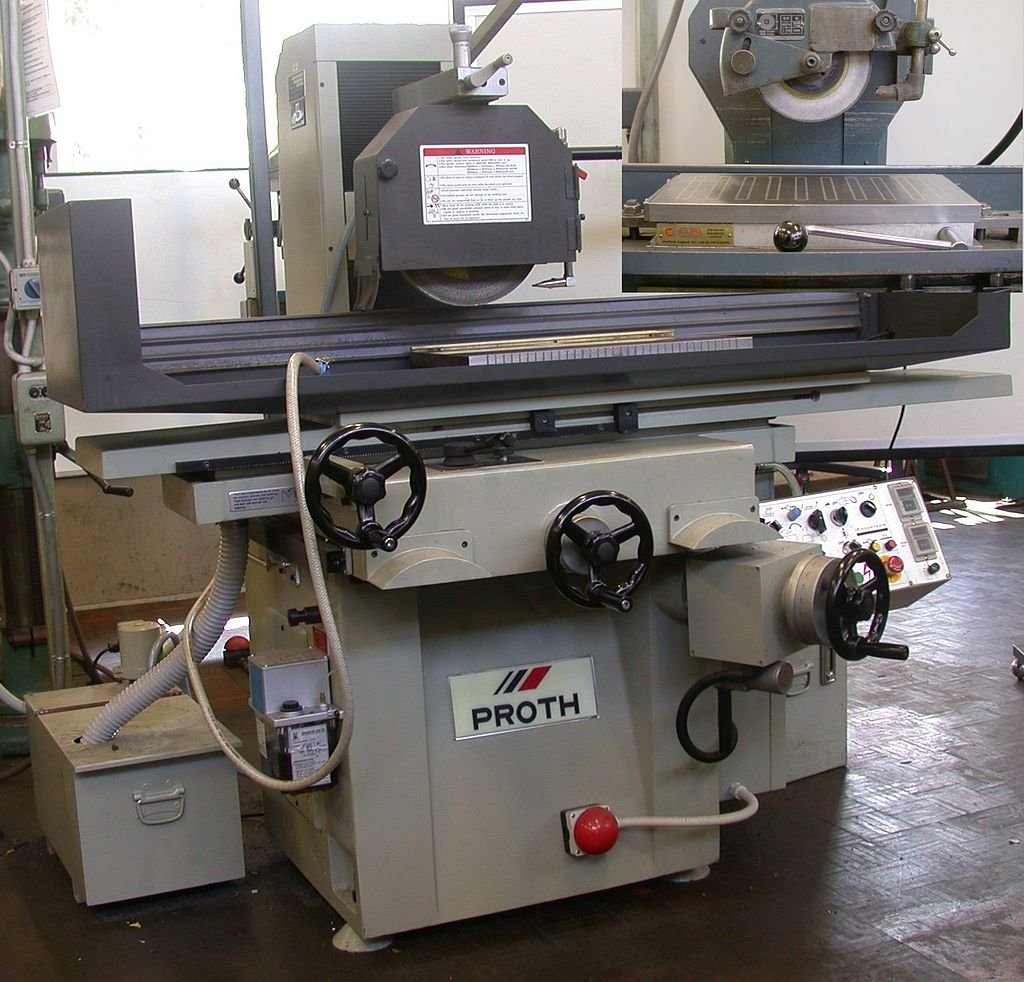
- Surface Grinding Machines: These machines are used to grind flat surfaces and are commonly used in manufacturing industries.
- Cylindrical Grinding Machines: These machines are designed to grind the outer surface of cylindrical objects.
- Centerless Grinding Machines: These machines do not require a center point, making them ideal for grinding cylindrical workpieces.
Each type of grinding machine comes with its unique set of features and capabilities, allowing users to achieve precise and consistent results for a wide range of applications.
The Uses of Grinding Machines
Grinding machines are versatile tools that find applications in various industries and processes. Some common uses of grinding machines include:
- Metalworking: Grinding machines are essential tools in metalworking processes, helping to shape and finish metal parts with high precision.
- Woodworking: In woodworking, grinding machines are used to sharpen tools, smoothen surfaces, and shape wood materials.
- Automotive Industry: Grinding machines are widely used in the automotive industry for tasks such as engine rebuilding, surface finishing, and precision machining.
With their ability to grind and shape a wide range of materials, grinding machines play a crucial role in modern manufacturing and production processes.
Advancements in Grinding Machine Technology
With the rapid advancements in technology, grinding machines have also undergone significant improvements in terms of precision, speed, and automation. Modern grinding machines are equipped with advanced features such as:
- CNC Control: Computer Numerical Control (CNC) technology allows for precise control and automation of grinding processes, resulting in higher efficiency and accuracy.
- High-Speed Grinding: Some grinding machines are capable of operating at high speeds, enabling faster material removal and improved surface finish.
- Advanced Cooling Systems: To prevent overheating and ensure consistent grinding results, modern grinding machines are equipped with advanced cooling systems.
These technological advancements have revolutionized the grinding industry, making grinding machines more versatile, efficient, and user-friendly than ever before.
The Future of Grinding Machines
As technology continues to advance, the future of grinding machines looks brighter than ever. Researchers and engineers are constantly working on innovations to enhance the capabilities and performance of grinding machines. Some potential developments in the future of grinding machines include:
- Nanotechnology Applications: Grinding machines may be used in nanotechnology applications for ultra-precision grinding of nano-scale materials.
- Smart Grinding Machines: Future grinding machines may incorporate artificial intelligence and machine learning technologies for autonomous operation and optimization.
- Green Grinding Technologies: There is a growing focus on developing eco-friendly grinding technologies that reduce energy consumption and waste generation.
With these exciting prospects on the horizon, the future of grinding machines is poised to revolutionize various industries and processes, making them more efficient, sustainable, and precise.
Grinding machines are truly marvels of modern engineering, enabling us to shape, refine, and enhance a wide range of materials with unmatched precision and efficiency. From their historical roots to the cutting-edge advancements of today, grinding machines have played a vital role in the evolution of manufacturing and production processes. As we look towards the future, the continued innovation and development of grinding machines promise to unlock new possibilities and revolutionize industries across the globe.
So, the next time you see a grinding machine in action, take a moment to appreciate the incredible craftsmanship and technology that goes into making it a true powerhouse of precision engineering!
Grinding Machines | Construction Details of Bench Grinding Machine & Surface Grinding Machine
Frequently Asked Questions
What safety precautions should I follow when using a grinding machine?
When using a grinding machine, always wear appropriate personal protective equipment such as goggles, gloves, and a face shield to protect yourself from flying debris. Ensure the machine is properly grounded and that the wheel guard is in place. Avoid wearing loose clothing or jewelry that could get caught in the machine.
How often should I inspect and maintain my grinding machine?
Regular maintenance is crucial for the optimal performance of a grinding machine. Inspect the machine before each use for any loose parts, damaged wheels, or potential hazards. Follow the manufacturer’s guidelines for scheduled maintenance such as lubrication, belt tension checks, and wheel dressing.
What are the key factors to consider when selecting a grinding machine for a specific task?
When choosing a grinding machine for a specific task, consider factors such as the material to be ground, the desired surface finish, and the required precision. Select a machine with the appropriate wheel size, motor power, and speed settings to ensure efficient and accurate grinding for your specific application.
Final Thoughts
In conclusion, the grinding machine is a versatile tool that plays a crucial role in various industries. Its ability to precisely shape and refine materials makes it indispensable for achieving high-quality products efficiently. By utilizing advanced technology and innovative designs, modern grinding machines offer exceptional precision and performance. Overall, the grinding machine continues to be a cornerstone in manufacturing processes, contributing to the production of countless products that we use in our daily lives.