
















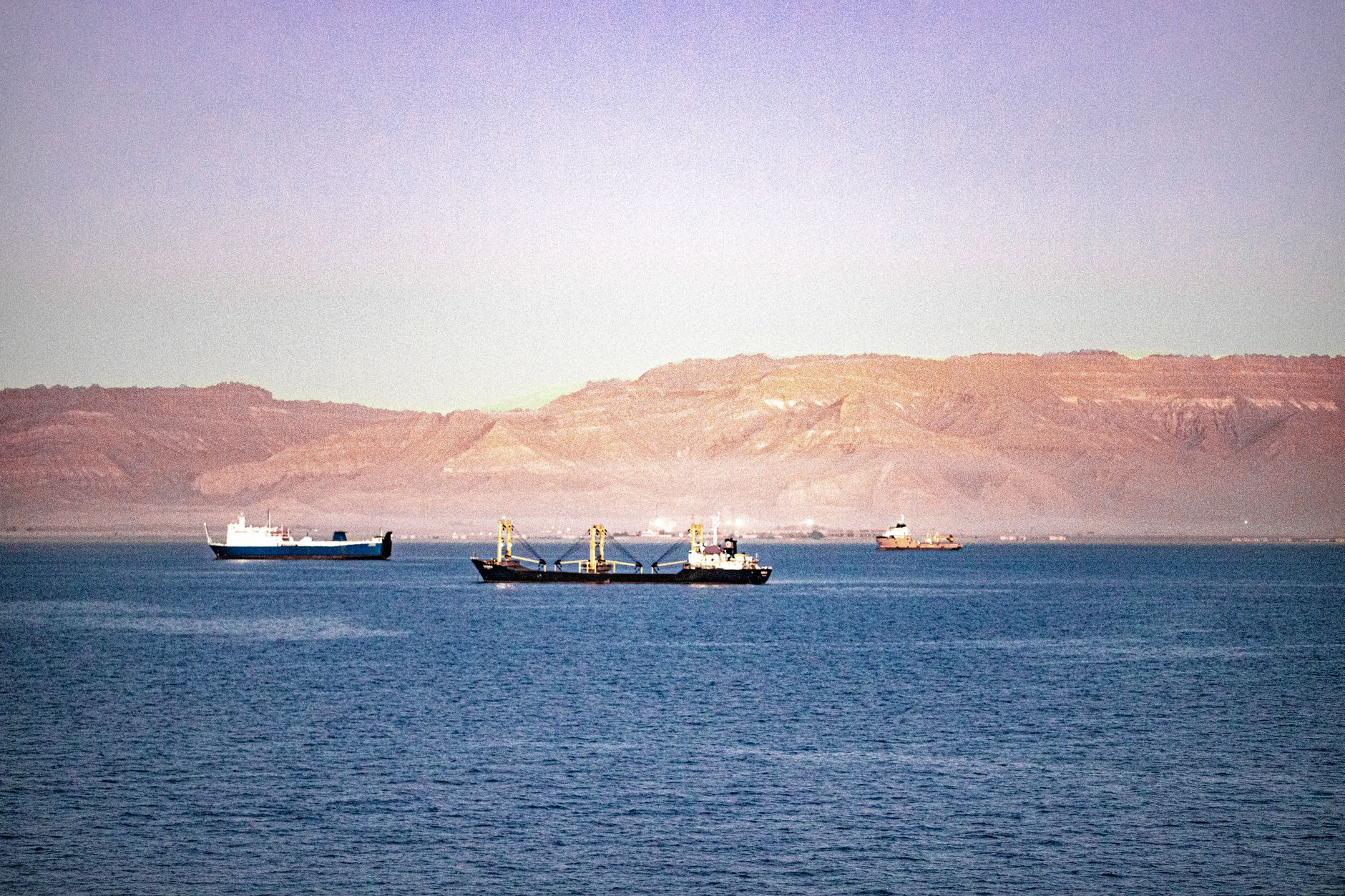
Iran-Hormuz tensions have significantly affected market stability, leading to a decline in both Sensex and Nifty indices. Investors are feeling the pressure as geopolitical concerns rise.
Understanding Iran-Hormuz tensions
The recent Iran-Hormuz tensions have sparked significant concern among investors, leading to a sharp decline in market performance this week. As geopolitical uncertainties mount, particularly in the vital Strait of Hormuz, the ripple effects are being felt across global financial markets.
The Strait of Hormuz is a critical artery for oil transportation, with a substantial percentage of the world’s oil supply passing through its waters. Any disruptions in this region can lead to substantial fluctuations in oil prices, impacting economies worldwide. Investors are particularly wary as military confrontations or aggressive maneuvers in this region could exacerbate the situation.
The concerns surrounding Iran’s military actions and its potential impact on oil shipments have led to heightened volatility in stock indices such as the Sensex and Nifty. Recent reports indicate that:
- Investors are pulling back in response to the heightened risk.
- Market analysts predict further volatility if tensions escalate.
- Energy stocks have experienced sharp declines as oil prices fluctuate.
In summary, the ongoing Iran-Hormuz tensions are a critical factor influencing market dynamics, prompting cautious sentiment among traders and investors alike.
Market reactions to geopolitical events
The recent escalation of Iran-Hormuz tensions has prompted significant reactions from the stock markets, leading to a notable dip in investor confidence. Analysts report that uncertainties surrounding the Strait of Hormuz, a critical shipping route for global oil, have caused ripples across financial markets this week.
Several key factors have contributed to the market downturn:
- Increased volatility: The threat of conflict in the region has led to heightened volatility in oil prices, which directly impacts market performance.
- Investor sentiment: Fear of potential supply disruptions has prompted investors to adopt a more cautious approach, leading to sell-offs in major indices.
- Global implications: The ripple effects of the tensions are felt worldwide, with markets reacting to fears of escalating geopolitical instability.
As a result, both the Sensex and Nifty indices ended lower, reflecting widespread anxiety among traders. The dip underscores how geopolitical events, especially those involving critical trade routes like the Strait of Hormuz, can significantly influence market dynamics. Investors are closely monitoring the situation, hoping for a resolution that could stabilize the markets in the coming weeks.
Impact on Sensex and Nifty
The ongoing Iran-Hormuz tensions have significantly impacted the Indian stock market, leading to a notable decline in both the Sensex and Nifty indices this week. Investors, concerned about the escalating geopolitical risks, responded by pulling back from equities, resulting in one of the worst market dips observed recently.
Market analysts reported that:
- Sensex fell by over 500 points, closing at a significant low.
- Nifty experienced a drop of approximately 150 points, reflecting a similar trend of investor caution.
- Several sectors, particularly oil and gas, faced severe sell-offs as crude prices surged amid fears of supply disruptions.
The ripple effects of the Iran-Hormuz tensions have not only influenced market indices but also heightened volatility in trading sessions. Financial experts caution that if the situation worsens, it could lead to further declines, impacting investor sentiment even more. Additionally, the uncertainty surrounding global oil prices continues to loom large, complicating the outlook for domestic markets.
As the situation unfolds, traders are urged to stay informed and consider the potential long-term implications of these geopolitical developments on their investment strategies.
Future outlook for investors
As the situation surrounding Iran-Hormuz tensions continues to evolve, investors are left grappling with uncertainty in the markets. Analysts suggest that the volatility created by these geopolitical issues could persist in the near future, influencing trading patterns and investment strategies.
Investors are advised to remain vigilant and consider the following factors:
- Geopolitical Developments: Ongoing negotiations and military maneuvers in the region could lead to sudden market shifts. Staying updated on news related to Iran and the Strait of Hormuz is crucial.
- Energy Prices: Fluctuations in oil prices are likely to continue, especially if tensions escalate. Investors may want to monitor commodities closely, as energy stocks often react sharply to these changes.
- Diversification Strategies: Given the unpredictable nature of the markets, diversifying investment portfolios may help mitigate risks associated with geopolitical tensions.
- Long-term Perspectives: While short-term market dips may be concerning, some analysts suggest maintaining a long-term investment outlook could benefit those who can withstand temporary volatility.
Overall, understanding the implications of Iran-Hormuz tensions will be key for investors aiming to navigate this turbulent market landscape.
Photo by Eric Seddon on Pexels