















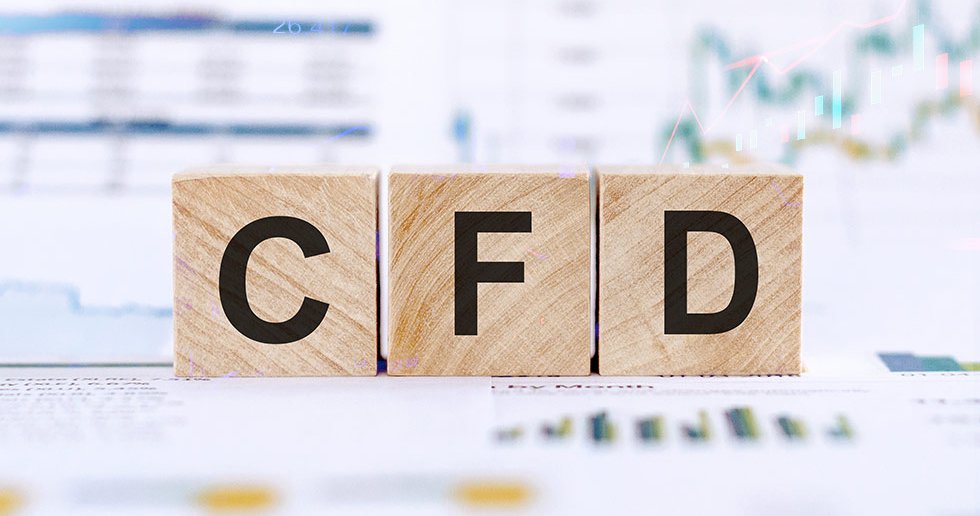
Contracts for Difference, commonly known as CFDs, have become an accessible entry point for individuals looking to participate in global financial markets. They allow traders to speculate on price movements across assets such as stocks, indices, commodities, and currencies without owning the underlying instrument. This flexibility can be appealing, especially to beginners who want exposure to multiple markets from a single platform. However, the same features that make CFD trading attractive can also introduce risks when they are misunderstood or misused.
Many new traders approach CFDs with enthusiasm but limited preparation. Early mistakes are common and often costly, yet they are also preventable with the right knowledge and mindset. Understanding where beginners tend to go wrong is a crucial step toward building a more disciplined and sustainable trading approach.
Misunderstanding Leverage and Risk
One of the most frequent mistakes beginners make in CFD trading is underestimating the impact of leverage. Leverage allows traders to control a larger position with a smaller amount of capital, which can magnify both gains and losses. While this feature can enhance returns, it also increases risk exposure, sometimes beyond what a new trader can realistically manage.
Many beginners focus on the potential profits of leveraged trades without fully considering how quickly losses can accumulate. A relatively small adverse price movement can result in significant drawdowns or even a margin call. To avoid this, new traders should start with modest leverage levels and ensure they understand how margin requirements work. Viewing leverage as a tool to be used cautiously rather than a shortcut to quick profits can help reduce unnecessary losses.
Trading Without a Clear Plan
Another common error is entering trades without a defined strategy. Beginners may open positions based on intuition, market noise, or short-term news headlines, rather than a structured approach. This often leads to inconsistent decision-making and emotional reactions to market fluctuations.
A trading plan does not need to be complex, especially at the beginning. It should outline the markets to trade, the criteria for entering and exiting positions, and the level of risk acceptable per trade. Having a clear plan helps traders remain focused and reduces the likelihood of impulsive decisions during periods of market volatility. Over time, a well-defined plan also provides a framework for reviewing performance and identifying areas for improvement.
Ignoring Risk Management Principles
Risk management is the foundation of long-term trading success, yet it is often overlooked by beginners. Some new traders risk too much capital on a single trade, believing strongly in a particular market direction. Others fail to set stop loss orders, hoping that losing trades will eventually turn in their favour.
These habits can be damaging, especially in fast-moving CFD markets. Effective risk management involves limiting the amount of capital exposed on each trade and using tools such as stop losses to manage downside risk. By focusing on preserving capital rather than chasing profits, beginners can stay in the market long enough to gain experience and refine their skills.
Overtrading and Lack of Patience
CFD markets are available across different asset classes and time zones, which can create a sense of constant opportunity. Beginners may feel pressured to trade frequently, believing that more trades will lead to faster learning or higher profits. In reality, overtrading often results in higher transaction costs, reduced focus, and increased emotional stress.
Patience is an essential quality in trading. Not every market movement presents a viable opportunity, and waiting for setups that align with a trading plan can improve overall performance. Learning to accept periods of inactivity as part of the trading process helps beginners avoid unnecessary trades and maintain discipline.
Failing to Understand the Market Being Traded
Another mistake is trading instruments without fully understanding their underlying dynamics. Each market has its own drivers, whether they are economic data, corporate earnings, geopolitical events, or seasonal factors. Beginners who treat all CFDs the same may be surprised by sudden price movements they did not anticipate.
Taking time to learn how specific markets behave can make a significant difference. This includes understanding trading hours, volatility patterns, and the factors that influence price changes. Accessing educational resources from reputable platforms such as ADSS Abu Dhabi can help beginners build foundational knowledge and gain clearer insights into how different CFD markets operate.
Letting Emotions Drive Decisions
Emotional trading is a challenge for traders at all levels, but it is particularly common among beginners. Fear and greed can lead to poor decisions, such as closing winning trades too early or holding onto losing positions for too long. After a loss, some traders attempt to recover quickly by taking on excessive risk, which often compounds the problem.
Developing emotional discipline takes time and practice. Keeping a trading journal can help beginners identify patterns in their behaviour and recognise when emotions influence decisions. By focusing on process rather than short-term outcomes, traders can cultivate a more balanced and rational approach.
Conclusion
CFD trading offers flexibility and access to a wide range of financial markets, but it also demands preparation, discipline, and self-awareness. Beginner mistakes such as misusing leverage, neglecting risk management, or trading without a plan are common, yet they are not inevitable. With a thoughtful approach and a willingness to learn, new traders can avoid many of these pitfalls.
Success in CFD trading is not about eliminating losses, but about managing them effectively while building experience. By understanding common mistakes and taking practical steps to address them, beginners can develop a more confident and informed trading mindset.